Why a Professional and Free Press Still Matters
Yvan Cohen
Thu Mar 19 2026
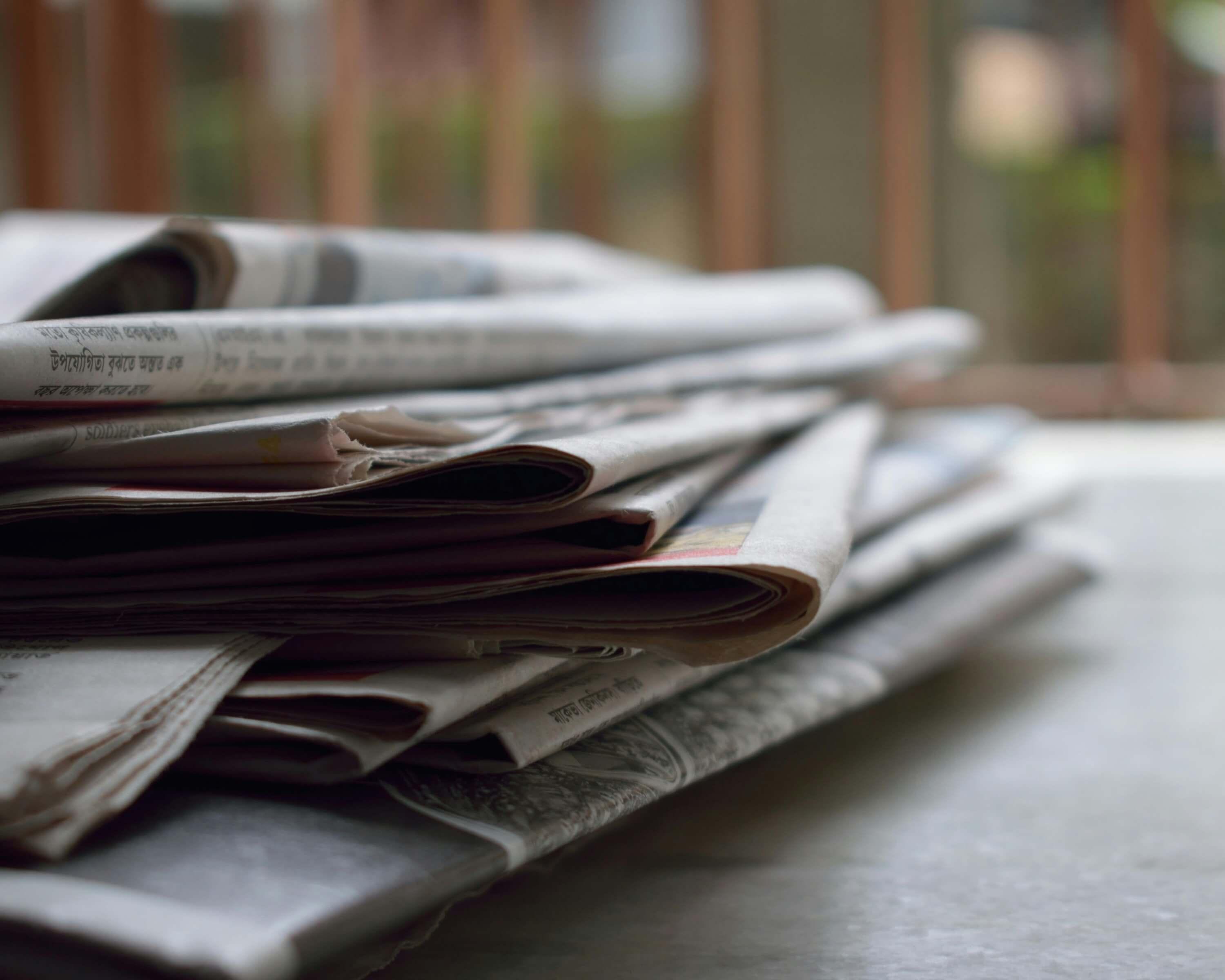
Why a Professional and Free Press Still Matters. Photo by brotiN biswaS
In a world where information feels as free and available as the air we breathe, it’s easy to take the role of the press for granted.
News flows to our screens 24/7. We have moved from a world dominated by a few professional media outlets to the hydra-headed chaos of the Internet where we can find answers to all our questions in seconds.
It’s thrilling, fascinating, bewildering, and disorientating. Who should we trust? What is fact and what is fiction? How can we tell the difference?
At a time when reliable information is perhaps more valuable to us than ever, professional journalism is struggling. The press is under attack.
Why We’ve Stopped Trusting the Media
Donald Trump has called the media ‘enemies of the people’ (a more accurate moniker might be ‘enemies of politicians’). In a populist, post-truth, hyper-polarized world, mainstream media outlets are often dismissed as biased purveyors of ‘fake news’.
Instead of trusting traditional press outlets, many now believe the truth can be found online – in an open virtual space that appears deceptively neutral and uncontrolled. A search on Google or YouTube imparts a giddy sense of discovery, a feeling of finally finding out what is ‘really going on’.
The Illusion of a Neutral Internet
But Google, YouTube and Facebook are anything but neutral. Anonymous algorithms drive opinion and push agendas, creating echo chambers that turbocharge our prejudices and deepen divisions. The goal of these platforms is to feed our curiosity, drive engagement, build audiences and, yes, generate revenue.
Social media has become the addictive virtual ‘rabbit hole’ down which our critical faculties can easily disappear. Who can resist the unlimited sensory candy of catchy memes and attention-grabbing video clips?
Listen to enough ‘experts’ explaining that Covid was a conspiracy, that vaccines contain microchips or the world is flat and the chances increase that you will end up believing even the most far-fetched baloney – with an added sense that you have finally ‘seen the light’.
The irony of social media is that it should have led us to a better place. With so much information at our disposal, our understanding of the world should be more balanced, more nuanced. Unfettered access to information should have brought us together.
The opposite has happened: the world has become more polarized, nationalism is on the rise, democracy is under attack, and conspiracy theories are blossoming.
 Americans' Trust in Mass Media, 1972-2025. Image by Gallup
The Shrinking Authority of the Mainstream Press
Sure, there remain some big media names – the BBC, Al Jazeera, the Financial Times, the New York Times, and so on. Increasingly, however, the authority and legitimacy of these ‘brands’ is being challenged. They are disparagingly described as being ‘legacy’. Critics on the left and right lambast them for being too moderate, or too ‘pro’ this, or ‘anti’ that.
According to a Gallup poll, trust in the mass media in the US declined from over 70% in the early 1970s to just 28% in 2025. As AI blurs our ability to distinguish fact from fiction, trust in the mainstream media is likely to sink further.
What Professional Journalism Actually Stands For
Professional journalists are not propagandists by vocation or training. They adhere to an ethical code built around principles of objectivity, neutrality, and truthfulness. They are neither militants nor activists. Their job, at least outside the editorial and opinion columns, is to show us the world as it is and not as they would like it to be.
Which is not to deny that some major media outlets are biased, do mispresent the truth, and have clearly crossed the line from journalism to propaganda. Theirs is a willful misappropriation of the traditional trust placed in the mainstream media. Think Fox News – a media outlet that has abandoned any semblance of neutrality or balance.
There has been much debate and much wringing of hands about the rise of extremist ideologies and the threat they pose to our democracies. Their success, I would argue, is in no small part due to concerted campaigns waged through social media to neutralize and discredit the professional media.
The Press as a Pillar of Democracy
Democracy is fragile. To preserve it, we rely on our leaders and the public to respect and protect the checks and balances that constrain the natural tendency of political power towards corruption and absolutism – be it on the left or on the right.
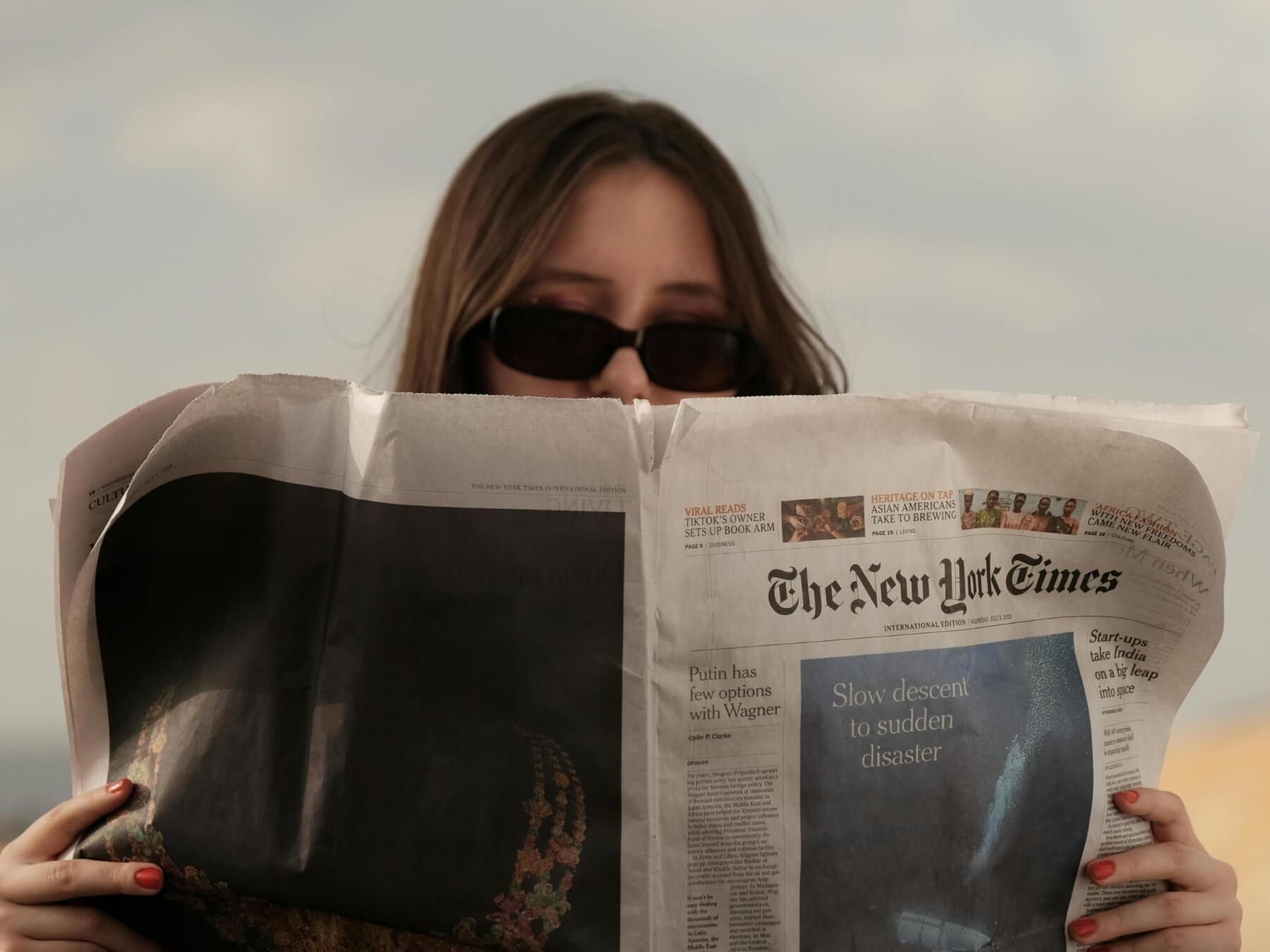 Quantity Over Quality: Where the News is Going Wrong. Photo by Alican Helik
Fewer Media Owners, Less Diversity
As the mainstream media atrophies, and as many local media outlets close, we are seeing a consolidation of control into the hands of fewer and fewer owners – thereby reducing the diversity of interests that control the flow of information.
In Australia, for example, just four newspaper companies control 84% of the market. In the US, a series of recent deals has shifted control of local and national media outlets into the hands of fewer, often more politically conservative, owners.
When those owners align their interests with political power, the press effectively loses its independence and credibility, and our democracies lose a key regulatory mechanism designed to protect us from tyranny.
The Internet’s Broken Promise
Just over two decades ago, the democratization of access to information via the Internet felt like a moment of great hope. Suddenly, newspapers and media outlets could deliver information from the field much cheaper and faster. We were free to access information from anywhere.
It seemed like a perfect opportunity for us to learn about each other. Free flowing information should have made it harder for our leaders to misbehave; strengthening democracy and the freedoms that go with it.
But the chaotic unregulated nature of the Internet, which feels so democratic in many ways, has brought us the opposite of unity and understanding.
 Why We Still Need Professional Journalism. Photo by Musa Alzanoun | موسى الزعنون
Why We Still Need Professional Journalism
It has provided a platform for as much misinformation as information. Its promise of neutrality has been subverted by the invisible power of the algorithm. It has pandered to our sensory weaknesses and shortened our attention spans, feeding us ever more concise, ever simpler, ever more sensational explanations for the world around us, often with little regard for facts or science. In short, it has been hijacked by politics and advocacy of every shade.
The traditional press, and the role of professional journalism, is being literally drowned out and swept away by a tidal wave of information. We are all citizen journalists now. But in this brave new world of unregulated broadcasting, our democracies - and the free societies they have helped develop – are at risk.
LightRocket is proud to publish a range of perspectives. The views expressed in this piece are those of the author alone.
Written by Yvan Cohen | Yvan has been a photojournalist for over 30 years. He's a co-founder of LightRocket and continues to shoot photo and video projects around Southeast Asia.
To read more helpful articles on photography, check out our blog page.
Join our growing photographer community at LightRocket and get powerful archive management and website building tools for free!